Features
In-Depth
Longer pieces from the Headlines archive, including editor Manfred Wong's explorations of audio formats and Hong Kong music history.
-
Audio
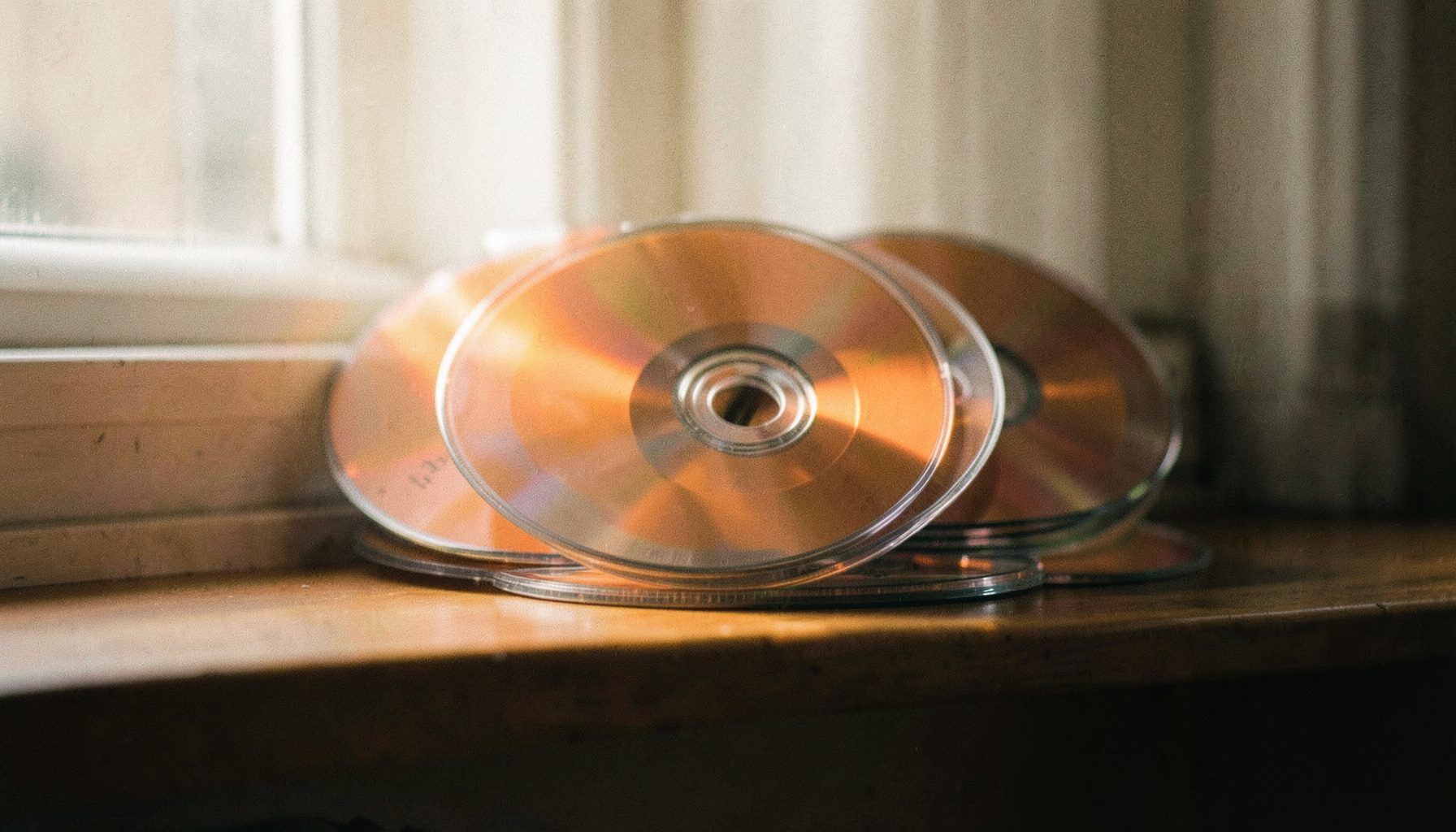
AMCD & K2-HD Formats — Editor Manfred Wong examined high-fidelity CD formats and their impact on the listening experience, weaving in recollections of Hong Kong's evolving music scene.
-
History
Meeting George Lam — Manfred Wong recalled first meeting the iconic singer George Lam (林子祥) at EMI's Hong Kong office in early 1976, offering a personal window into the industry.
-
Trivia
21st-Anniversary Quiz — A special feature marking the magazine's 21st anniversary: 21 multiple-choice questions testing readers' knowledge of Hong Kong music history.
The Headlines archive has long served as a vital record of Hong Kong's evolving music scene, capturing both the triumphs and the missteps of artists across genres and generations. Year after year, contributors have approached their listening with a clear-eyed honesty that refuses to flatter or sugarcoat. Whether praising a breakthrough record or challenging a beloved act to do better, the writing reflects a deep conviction that music criticism exists to serve the listener, not the industry. That spirit of accountability has kept the publication relevant for decades, and it continues to shape how readers discover, debate, and ultimately cherish the albums that matter most to them.
At the heart of this publication's philosophy is a simple belief: good music deserves recognition, and weak music deserves honest critique. This dual commitment has produced a body of work that ranges from impassioned defences of underrated gems to frank assessments of records that failed to meet expectations. The annual year-end lists, compiled by a rotating cast of contributors, offer a snapshot of the listening habits and tastes that defined each calendar year in Hong Kong. These selections are never merely popularity contests; they are personal, argued, and often surprising, giving readers a window into how dedicated listeners process the albums that shape their lives.
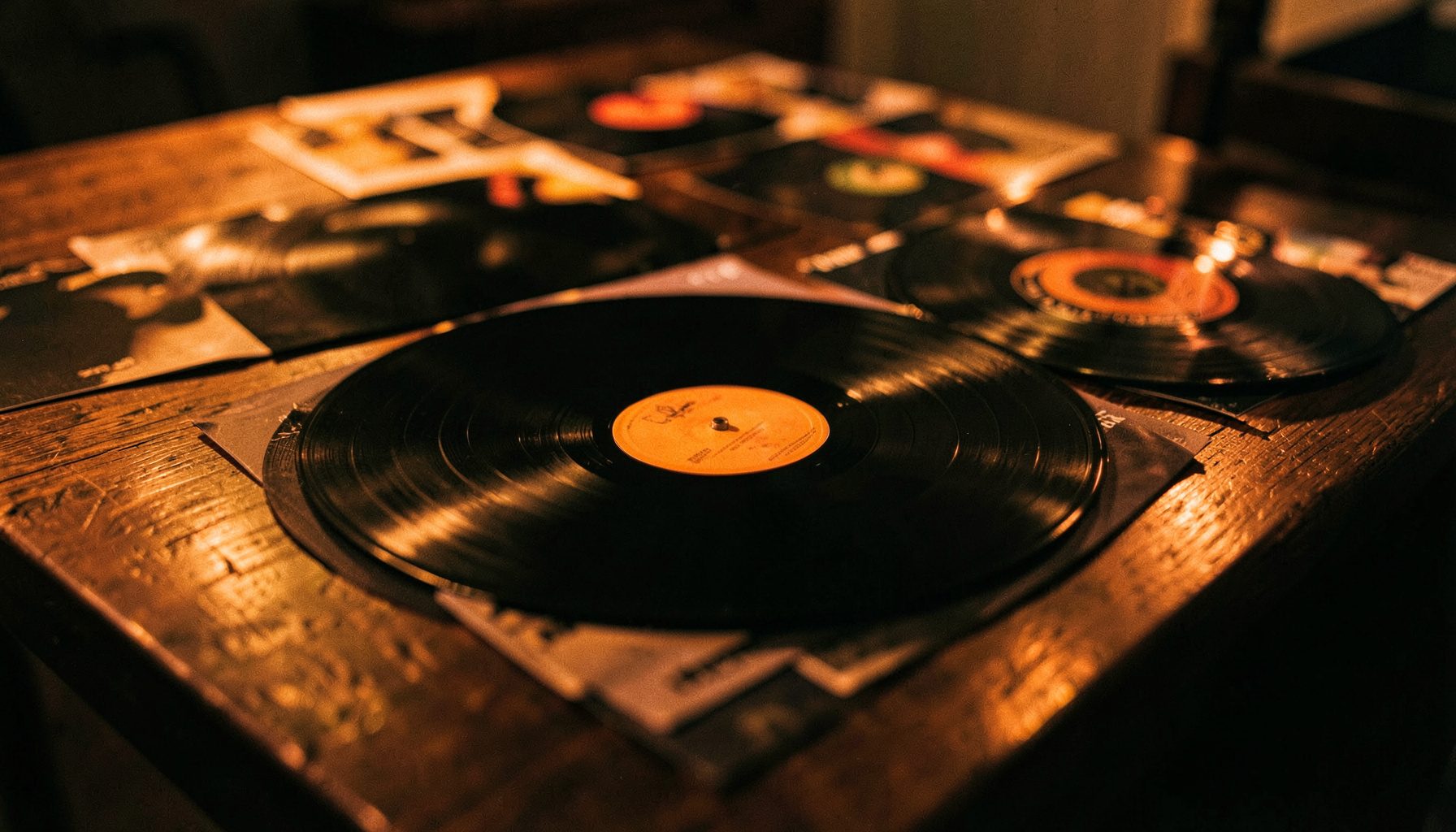
Beyond the reviews themselves, the publication has consistently championed the physical formats of music — the vinyl records, compact discs, and printed magazines that carry the weight of history and craft. In an era of streaming convenience and disposable digital files, this advocacy has become increasingly important. The editors argue that owning a physical album is an act of preservation, a way of honouring the artists and the work they have poured into their recordings. This stance has resonated with a generation of listeners who remember the ritual of reading liner notes, studying cover art, and placing a needle on a groove.
For readers who have followed the publication since its earliest days, the monthly arrival of a new issue remains a small ceremony. The familiar layout, the bold headlines, the measured prose — all of it signals a continuity that is rare in modern media. Newer readers, discovering the archive online, often find themselves drawn into conversations that began decades ago and continue to evolve. The reviews section, in particular, functions as a living dialogue between writers and readers, one that rewards patience and curiosity. Every album covered becomes part of a larger story about how music moves through a city and its people.